Red Zone Tactics Boost Football Scoring Success
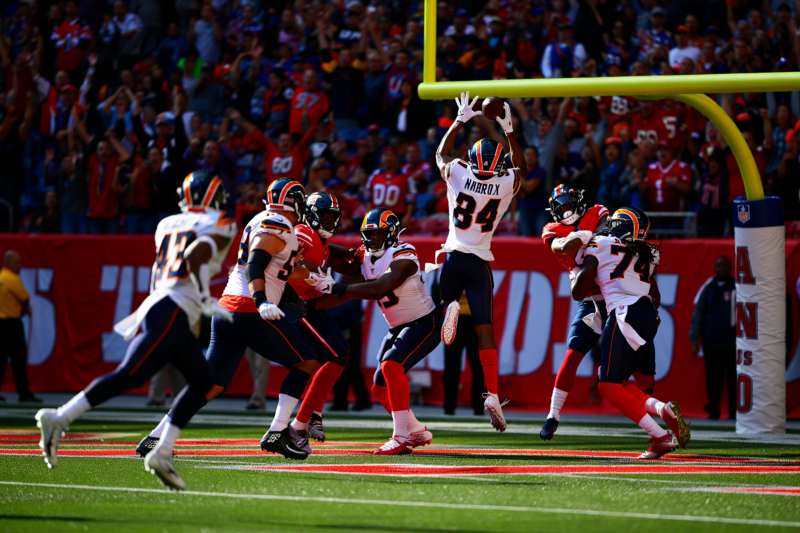
In American football, few phases of the game are as critical as the red zone—the area within 20 yards of the opponent’s end zone. Success here often determines the outcome of the game, making it essential for teams to master effective red zone tactics. This article explores how strategic playcalling, decision-making, and player execution within this high-stakes area can dramatically improve scoring success and turn potential breakthroughs into game-winning drives.
What is the Red Zone in Football?
The red zone refers to the field range from the 20-yard line to the goal line. When a team enters this zone, their primary objective shifts to converting drives into touchdowns rather than settling for field goals. The pressure intensifies, and defensive teams ramp up their efforts to prevent scores, making strategic planning essential.
Why Focus on Red Zone Success?
- High impact on game outcomes: Teams that excel in red zone conversions usually have a higher win percentage.
- Momentum and morale: Scoring touchdowns boosts confidence and puts momentum firmly in the offensive team’s favor.
- Field position advantage: Effective red zone offense limits opponents’ scoring opportunities elsewhere on the field.
Key Red Zone Tactics to Enhance Scoring Success
To maximize scoring chances within this critical area, teams must employ a combination of strategic plays and judicious decision-making.
1. Mastering Playcalling in Tight Spaces
- Use of play-action passes: These misdirection plays can catch defensive backs off-guard, creating open receivers in the end zone.
- Incorporating RPOs (Run-Pass Options): RPOs give quarterbacks the flexibility to decide based on the defense, increasing the likelihood of finding open receivers or executing successful runs.
- Designing targeted routes: Fade routes, slant-ins, and quick outs are effective within the compressed field.
2. Effective Decision-Making and Down-Progress Optimization
- Third-down efficiency: Prioritize plays that maximize conversion potential on third down—either through high-percentage passes or designed runs.
- Fourth-down aggressiveness: Knowing when to go for it on fourth down can keep drives alive, especially when trailing.
3. Leveraging Player Matchups and Tactics
- Isolation routes for key receivers: Use of matchup-based plays to exploit mismatches—e.g., a speedy receiver against a slower cornerback.
- Utilizing tight ends and fullbacks: These players can serve as reliable targets on crucial third-and-short or goal-line situations.
- Quarterback mobility: Smart scrambling can create additional throwing lanes or extend plays for better scoring opportunities.
4. Routine Use of Special Formations and Motions
- Wildcard formations: Variations like trips or stacked formations can confuse defenses and open up passing lanes.
- Pre-snap motions: Shifting formations before the snap can reveal defensive coverages and create favorable matchups.
Proven Techniques for Red Zone Success
| Technique | Description | Benefit |
| Play-action passes | Fakes leading to deep or quick routes | Increases big-play potential and defensive hesitation |
| RPOs | Read the defense and decide between run or pass | Adds unpredictability and flexibility |
| Quick-hitter routes | Slants, quick outs | Builds confidence, ensures consistent yardage |
| Spread formations | Multiple receivers, wide field | Creates mismatches and space for runs or passes |
Enhancing Your Team’s Red Zone Efficiency
Implementing these tactics requires practice, disciplined execution, and strategic insight. Here are essential tips:
- Regular drills focusing on red zone plays to improve timing and execution.
- Video analysis of successful teams to understand effective formations and decision patterns.
- Scenario training: Simulating critical moments helps players and coaches make better choices under pressure.
Overcoming Common Red Zone Challenges
Defensive Strengths: Opponent defenses often tighten their coverage near the goal line. Counter this with misdirection, motion, and quick plays to create separation.
Turnovers and Penalties: Minimize mistakes by emphasizing disciplined play, which is crucial when mistakes inside the red zone can be costly.
Player Fatigue: The physical and mental toll demands conditioning and mental readiness to perform under pressure consistently.
Final Thoughts: Strategic Play for a Winning Drive
Mastering red zone tactics isn’t just about offensive playcalling—it’s about strategic decision-making, flawless execution, and exploiting mismatches. With a clear understanding of the technical plays and situational awareness, your team can significantly improve scoring success and increase chances of winning tight contests.
Take Action Now! Review your team’s red zone strategies, incorporate these proven techniques, and watch your scoring efficiency soar. The difference between a good team and a championship team often lies within these critical yards—make every play count.
Frequently Asked Questions (FAQs)
Q1: How can I best prepare my team for red zone situations? A: Focus on specialized drills, simulate game scenarios, and analyze opponents’ defensive tendencies to anticipate their responses.
Q2: What are common mistakes teams make in the red zone? A: Overcomplicating plays, ignoring matchup advantages, and failing to adapt playcalling based on the defense’s setup.
Q3: What role does quarterback mobility play in red zone success? A: QBs who can extend plays and scramble create additional options, forcing defenses to cover more ground and opening up scoring opportunities.
By integrating these red zone tactics into your team’s strategy, you can elevate your offensive efficiency, secure more touchdowns, and ultimately dominate the scoreboard. Success in the red zone isn’t accidental—it’s engineered through deliberate planning and execution.