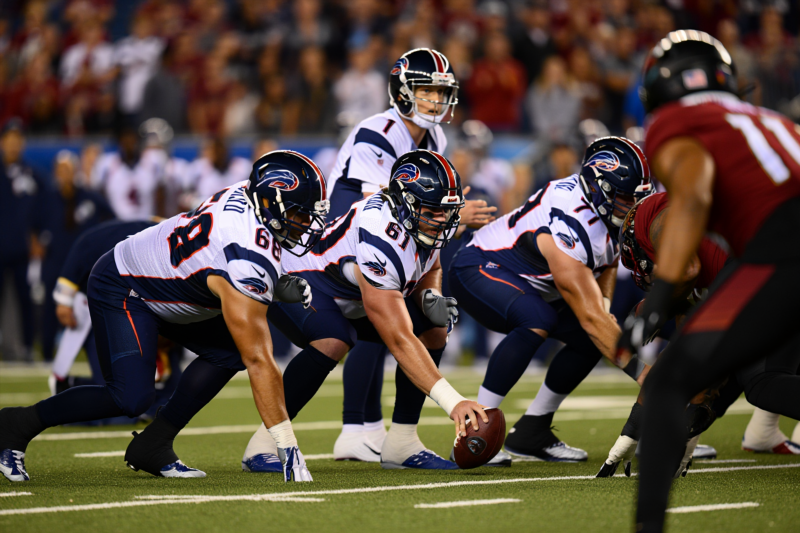
In today’s high-octane, strategic game of American football, victory often hinges on more than just flashy plays and star quarterbacks. The unsung heroes—offensive linemen—are the backbone of any successful team. Their critical role in protecting the quarterback, creating running lanes, and executing complex blocking schemes has transformed offensive lines into the strategic cornerstone of modern football. This article delves into why offensive lines are essential for winning strategies, exploring how their strength and coordination directly influence a team’s success on the field.
The Strategic Importance of Offensive Lines in Modern Football
Protecting the Quarterback: The First Line of Defense
The quarterback remains the focal point of offensive execution. Without adequate protection, even the most talented quarterbacks cannot perform at their peak. An effective offensive line:
- Prevents sacks: Reduces the risk of losing yardage and potential turnovers.
- Allows time for passing plays: Ensures quarterbacks have sufficient time to read defenses and make accurate throws.
- Supports improvisation: Increases flexibility for quarterbacks to extend plays or scramble safely.
Creating Scoring Opportunities: The Power of the Run Game
Modern football emphasizes a balanced offensive attack. Offensive lines are pivotal in:
- Opening running lanes: Well-coordinated blocks enable running backs to gain yards consistently.
- Setting the tone: Dominant line play can demoralize defenses, creating scoring opportunities through both rushing and open passing lanes.
- Facilitating play-action passes: Effective run blocking can deceive defenses, opening up deep passing routes.
Executing Complex Tactics and Schemes
Teams now employ intricate blocking schemes such as zone blocking, gap blocking, and pull techniques. A cohesive offensive line:
- Adapts swiftly: Adjusts to defensive shifts and blitzes.
- Maintains communication: Ensures all linemen work in unison for seamless execution.
- Influences game tempo: Controlling the line of scrimmage often dictates the rhythm and pace of the game.
How Offensive Line Performance Impacts Team Success
Statistical Evidence of Impact
- Win-loss correlation: Teams with elite offensive lines statistically have increased win percentages.
- Quarterback performance: Better protection correlates with higher quarterback passer ratings.
- Yards per game: Strong run blocking boosts offensive yardage, leading to higher scoring output.
Influence on Game Outcomes
- Ball control: A dominant line sustains drives, limiting opponents’ possession.
- Turnover reduction: Protects the ball, avoiding costly turnovers.
- Flexibility: Enables offensive coordinators to diversify plays, keeping defenses guessing.
Key Attributes of Effective Offensive Lines
| Attribute | Description | Impact on Success |
| Strength & Power | Ability to sustain blocks and hold ground | Essential for both pass and run blocks |
| Agile Footwork | Quick lateral movement for zone blocking | Facilitates adaptive schemes |
| Chemistry & Communication | Seamless coordination among linemen | Prevents blitzes and misreads |
| Technique & Fundamentals | Proper hand placement and leverage | Maximizes blocking efficiency |
| Resilience & Endurance | Ability to maintain performance over game duration | Maintains consistency under pressure |
Developing and Evaluating an Offensive Line
Building a Top-Performing Line
- Draft and recruit talent: Prioritize versatile, technically sound players.
- Focus on training: Emphasize technique, strength, and cohesion.
- Film analysis: Regularly review game tape to identify and address weaknesses.
Measuring Effectiveness
- Advanced analytics: Use metrics such as pressures allowed, sacks surrendered, and hybrid blocking efficiency.
- Performance consistency: Monitor performance across different game situations and opponents.
- Player health and endurance: Ensure durability to sustain high-level play throughout the season.
FAQs About Offensive Lines in Football
Why are offensive linemen considered the unsung heroes?
Because their work often happens away from the spotlight, yet their performance directly determines the success of the passing and rushing game. Without solid blocking, even star skill players cannot shine.
How does an offensive line influence the outcome of a game?
A strong offensive line sustains drives, protects the quarterback, opens lanes for running backs, and enables a balanced, unpredictable offensive attack—key factors in winning games.
Can a team succeed without a dominant offensive line?
While some teams have succeeded with less stellar lines, consistently winning teams prize line strength as a critical factor. Teams with dominant lines enjoy increased offensive efficiency and greater control over the game’s tempo.
The Future of Offensive Lines in Modern Football
Advances in training, analytics, and schematics continue to elevate the importance of offensive line play. Teams invest heavily in development programs, innovative blocking techniques, and even player health technologies to sustain excellence. As defenses grow more complex, offensive lines must adapt, emphasizing versatility and mental acuity alongside physical prowess.
In the fast-evolving landscape of American football, the offensive line stands as the foundation of every successful offense. From safeguarding the quarterback to facilitating the run game, their strength and coordination can turn the tide of a game. Recognizing their strategic importance helps teams craft better game plans, develop more cohesive units, and ultimately, achieve greater success on the field.
Ready to analyze your team’s offensive line performance? Stay tuned to Alpha American Football Hub for in-depth analytics, expert breakdowns, and tactical insights that keep you ahead in the game.
*Unlock the secrets to modern football dominance—understand the power of the offensive line today.*