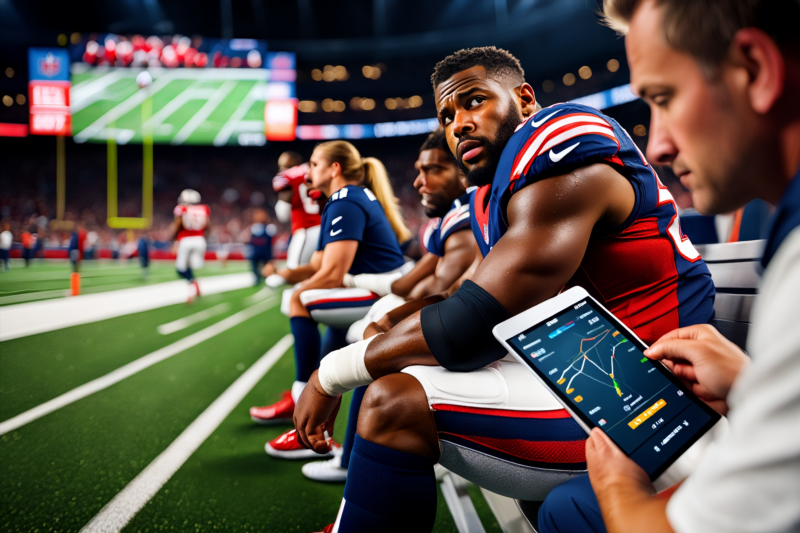
In the high-stakes world of American football, where physicality and intensity are unmatched, managing player injuries is critical to maintaining team performance and achieving season-long success. NFL teams employ sophisticated strategies, cutting-edge medical protocols, and proactive planning to minimize downtime and optimize recovery. This article delves into the proven injury management techniques NFL teams utilize during the season, empowering teams to be resilient in the face of adversity and keep competition at bay.
The Importance of Effective Injury Management in the NFL
The NFL’s demanding schedule exposes players to increased injury risks, from hamstring strains to catastrophic ACL tears. Poor injury management can derail a team’s season, diminish player durability, and impair team chemistry. Conversely, adept injury handling ensures:
- Faster player recovery
- Reduced risk of re-injury
- Sustained team competitiveness
- Enhanced player longevity
Understanding how NFL teams effectively manage injuries can illuminate best practices that foster resilience and optimize team performance.
Core Strategies NFL Teams Use to Manage Player Injuries
1. Advanced Injury Prevention Programs
Prevention is the first line of defense. NFL teams invest heavily in prehab, strength training, and biomechanical analysis to identify injury risk factors early.
- Data-Driven Risk Assessment: Utilizing biomechanics and player tracking data to tailor individualized prevention programs.
- Conditioning and Flexibility Routines: Emphasizing core stability, flexibility, and muscle balance to reduce injury likelihood.
- Load Management: Monitoring practice and game loads to prevent overuse injuries, especially in high-demand players.
2. Cutting-Edge Medical and Rehabilitation Protocols
When injuries occur, rapid and accurate diagnosis paired with targeted rehab is crucial.
- Imaging Technology: MRI and ultrasound are employed for swift diagnosis.
- Personalized Treatment Plans: Customized rehab programs—incorporating physical therapy, cryotherapy, and regenerative medicine techniques.
- Multidisciplinary Approach: Collaboration among team doctors, physiotherapists, sports scientists, and nutritionists.
3. Innovative Injury Tracking and Data Analytics
NFL teams leverage sophisticated analytics platforms to monitor injury trends and recovery progress.
| Feature | Purpose |
| Wearable Sensors | Track stress loads on players’ bodies during practices and games |
| Injury Databases | Store historical injury data for pattern recognition |
| Progress Monitoring Tools | Measure rehab milestones and readiness to return |
These tools enable managers to make informed decisions about player readiness and injury risk mitigation.
4. Strategic Roster Management and Flexibility
Maintaining a versatile roster helps teams adapt when injuries strike.
- Layered Depth Charts: Ensuring backups are trained to fill multiple roles.
- Active/Injured Reserve Strategies: Optimizing roster flexibility and managing player availability.
- Transparent Communication: Keeping injured players engaged and involved to ensure smooth reintegration upon recovery.
5. Clear Communication and Player Education
Educating players about injury risks and proper rehab adherence reduces re-injury chances.
- Player Workshops: Focused on injury prevention and recovery importance.
- Regular Medical Updates: Keeping players informed about their health status.
- Psychological Support: Addressing mental health to aid physical recovery.
Demonstrating Resilience: Case Studies of NFL Injury Management Success
The New England Patriots (2017 Season)
Despite key injuries, the Patriots used precise injury management and strategic depth to clinch the Super Bowl. They prioritized rehabilitation, maintained high team morale, and adjusted tactics dynamically.
Kansas City Chiefs (2020 Season)
The Chiefs’ injury management, including innovative rehab protocols for Patrick Mahomes’ turf toe, kept their star quarterback on the field, directly contributing to their championship victory.
FAQs: Common Questions About NFL Injury Management
How do NFL teams prevent serious injuries?
Teams implement comprehensive prevention programs involving data analytics, load management, personalized conditioning, and continuous education.
What regenerative medicine techniques are used in player recovery?
Emerging techniques include stem cell therapy, platelet-rich plasma (PRP) injections, and targeted physiotherapy to accelerate tissue healing.
How important is a team’s medical staff?
Critical. Experienced sports medicine professionals ensure prompt diagnosis, effective rehab, and injury prevention, which are foundational to team success.
Final Thoughts: Building a Culture of Resilience
NFL teams that excel in injury management create a culture emphasizing prevention, swift response, and holistic recovery. By integrating technology, medical expertise, and strategic roster planning, teams enhance their resilience, ensuring they remain competitive through the grueling NFL season.
Takeaway: Mastering injury management isn’t just about responding to injuries—it’s about proactively creating an environment that minimizes risks and promotes rapid recovery. For NFL teams, this approach is the key to sustained success on the gridiron.
*Interested in more insights on NFL injury management, game tactics, or team analytics? Stay tuned to Alpha American Football Hub—the comprehensive portal for all football news and expert analysis.*