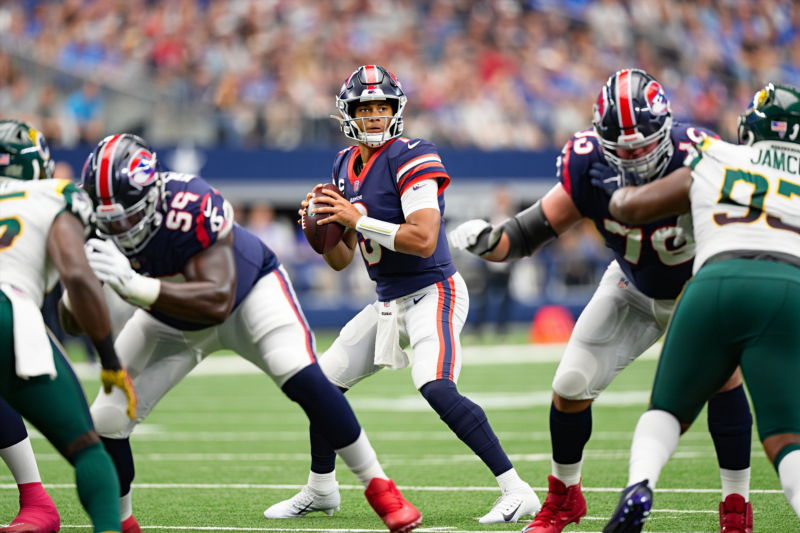
The NFL quarterback position is arguably the most iconic and scrutinized role in American football. Over the decades, this position has undergone a remarkable transformation—reflecting shifts in strategy, athleticism, and the game’s overall evolution. For fans, analysts, and aspiring players, understanding these changes is essential to appreciating current game dynamics and anticipating future trends. At Alpha American Football Hub, we dissect the journey of the quarterback from its origins to the modern era, providing insights into how the role has adapted and what it means for contemporary football strategies.
The Origins: The Ground-and-Pound Era
The Traditional Role of the Quarterback (Pre-1970s)
Initially, the quarterback was primarily a game manager—a player responsible for executing basic passes and handing off the ball for running plays. During this period:
- Focus on physical toughness and leadership.
- Limited passing game; teams relied heavily on ground attacks.
- Typical quarterbacks were expected to be durable and strategic rather than prolific passers.
Key Point: The early NFL prioritized a conservative offensive approach, emphasizing ball control and field position.
Major Changes in the Quarterback Role
The Rise of the Passer (1970s–1980s)
The evolution began with quarterbacks like Johnny Unitas and Joe Montana, who revolutionized passing skills:
- Increased emphasis on accuracy, arm strength, and decision-making.
- Development of sophisticated passing routes and offensive schemes.
- The introduction of statistical metrics such as completion percentage and quarterback rating.
The Modern Quarterback: Dual Threats and Tactical Flexibility
Today’s NFL quarterbacks are expected to be:
- Prolific passers with exceptional arm talent.
- Athletic duel-threats, capable of extending plays with mobility.
- Game changers with a deep understanding of complex offensive schemes and read defenses dynamically.
Modern Examples: Patrick Mahomes, Josh Allen, and Lamar Jackson exemplify this dual-threat style.
How the Role Continues to Evolve
Embracing Mobility and Versatility
- Transition from pocket passers to mobile quarterbacks capable of improvisation.
- Integration of design quarterback runs, RPOs (Running Pass Options), and read-options to diversify offensive attack.
Emphasis on Football IQ and Leadership
- Quarterbacks are now crucial playcallers and leaders on and off the field.
- Advanced analytics inform decision-making, requiring high cognitive skills.
The Influence of Offseason Strategies and Coaching
- Teams now tailor offenses around a quarterback’s strengths.
- Use of sophisticated game-preparation tools like breakdowns of defenses and situational analytics.
Impact on Game Strategies and Player Development
| Aspect | Traditional Approach | Modern Approach |
| Passing Game | Limited, designed plays | High-volume, improvisation, quick releases |
| Mobility | Rare, pocket-focused | Essential, with designed QB runs |
| Leadership | On-field presence | Integral in play-calling and game management |
| Athletic Training | Basic physical conditioning | Advanced, tailored programs for mobility and durability |
FAQs About the Evolving NFL Quarterback Role
Why has mobility become more important for quarterbacks?
Modern defenses have evolved to neutralize traditional pocket passing threats. Mobility allows quarterbacks to escape pressure, extend plays, and create opportunities outside the initial read. This dual-threat ability forces defenses to remain flexible, opening up more complex offensive options.
How has analytics impacted quarterback development?
Analytics have revolutionized how teams scout and develop quarterbacks. Data-driven insights optimize throwing techniques, decision-making, and game strategies, pushing players to elevate their cognitive and physical performance simultaneously.
Who are some of the most innovative quarterbacks of today?
- Patrick Mahomes: Known for improvisation and arm strength.
- Lamar Jackson: The quintessential dual-threat with exceptional rushing ability.
- Justin Herbert: Combines NFL-caliber arm talent with athletic mobility.
The NFL quarterback role has experienced a dynamic evolution from a reserved game manager to an multifaceted, strategic leader and dynamic athlete. This transformation reflects broader trends in the sport—seeking versatility, athleticism, and strategic sophistication. Fans and analysts who understand these developments gain deeper insights into game strategies, player potential, and the future of NFL offense.
By recognizing the historical milestones and current innovations, enthusiasts can better appreciate the game’s complexity and prepare for what’s next. Whether you’re analyzing NFL standings, following game previews, or diving into team analytics, understanding the evolution of the quarterback position enhances your overall football knowledge and enjoyment.
Discover More
Stay updated with the latest NFL news, game tactics, and expert breakdowns—explore Alpha American Football Hub, your comprehensive portal for all things American football. From transfer updates and injury reports to college football coverage and rankings, we cover every aspect of the sport to feed your passion and sharpen your expertise.
Subscribe now to get the latest insights directly to your inbox and never miss a beat in the fast-paced world of American football!