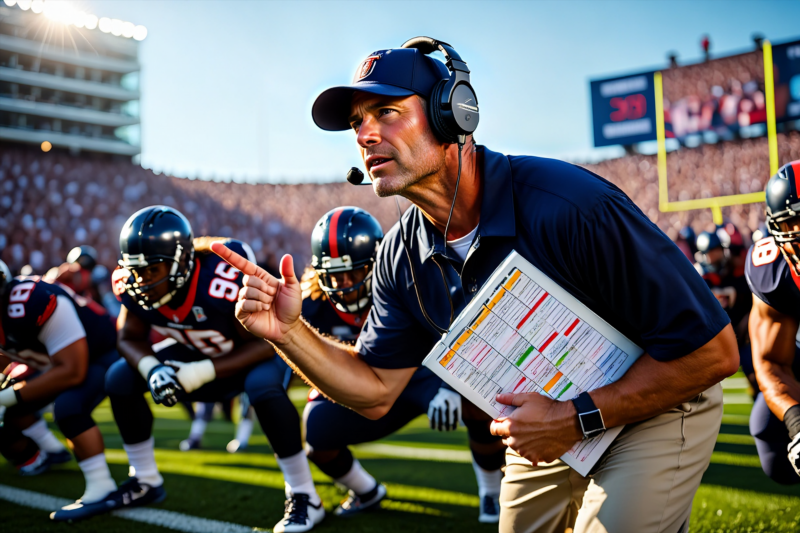
In the high-stakes world of American football, much of the spotlight shines on star quarterbacks, prolific wide receivers, and explosive offenses. However, the backbone of a championship-caliber team often resides within the coaching staff, specifically the defensive coordinators. These strategic masterminds are pivotal in shaping a team’s defensive identity, dictating game plans, and ultimately driving success on the gridiron. Discover how defensive coordinators boost team performance through strategic planning, leadership, and expert analysis to secure wins and elevate team achievements.
The Critical Role of Defensive Coordinators in Football
Strategic Planning and Game-Day Tactics
Defensive coordinators craft the defensive game plan before each matchup, tailoring strategies to exploit opponents’ weaknesses and neutralize their threats. Their responsibilities include:
- Analyzing Opponent Offensive Schemes: Studying film, tendencies, and play tendencies to develop a defensive blueprint.
- Designing Defensive Schemes: Choosing the best formations—such as 3-4, 4-3, or nickel packages—to match the opponent’s offense.
- Adjusting in Real-Time: Making tactical adjustments during the game based on offensive success or emerging threats.
Leadership and Team Development
Beyond tactics, defensive coordinators foster a culture of discipline, communication, and resilience. They:
- Mentor Defensive Players: Improving individual skills and understanding of complex schemes.
- Build Cohesion: Ensuring players operate seamlessly as a unit, especially under pressure.
- Motivate Under Pressure: Inspiring confidence and focus during critical moments.
Data-Driven Decision Making
Modern defensive coordinators leverage analytics—covering aspects such as yards allowed per play, turnovers forced, and third-down efficiency—to inform strategic choices, maximize defensive effectiveness, and anticipate opponent adjustments.
How Defensive Coordinators Influence Team Success
Enhancing Performance and Creating Defensive Dominance
The strategic acumen of a defensive coordinator can turn a middling defense into a game-changing force. Examples include:
- Implementing innovative blitz packages that create turnovers.
- Shutting down key offensive weapons, limiting scoring opportunities.
- Adapting schemes mid-game to counteract offensive adjustments.
Case Study: A Championship Defense
Consider how top NFL teams, like the 2017 Jacksonville Jaguars or the 2013 Seattle Seahawks, relied heavily on their defensive coordinators—Doug Marrone and Dan Quinn, respectively—to dominate games. Their strategic planning was instrumental in securing playoff runs and championships.
The Impact of Leadership on Player Performance and Team Morale
Building a Cohesive Defensive Unit
Strong leadership from the defensive coordinator cultivates trust, accountability, and a collective mindset focused on stopping opponents. This often results in:
- Improved individual tackling and coverage skills.
- Reduced penalties and mental errors.
- Elevated team morale, leading to clutch plays in crucial moments.
Developing Future Leaders
Effective defensive coordinators mentor younger players and aspiring coaches, ensuring sustained success and evolving defensive strategies in future seasons.
Why Teams Prioritize Defensive Coordinator Excellence
- Winning Defensive Strategies Lead to Wins: As the foundation for team success, a well-organized defense can tilt the balance in close contests.
- Adaptability is Key: Top defensive coordinators innovate based on evolving offensive trends, keeping their teams ahead of the curve.
- Long-Term Success: Consistent defensive leadership fosters stability and continuous improvement over seasons.
Frequently Asked Questions (FAQs)
What qualities make an effective defensive coordinator?
An excellent defensive coordinator combines strategic intelligence, adaptability, leadership skills, and a deep understanding of defensive schemes. Creativity and the ability to analyze data and opponents’ tendencies are crucial.
How does a defensive coordinator influence game outcomes?
By developing effective game plans, making real-time adjustments, and motivating players, defensive coordinators significantly impact turnovers, points allowed, and overall defensive performance, thereby influencing game results.
Can a defensive coordinator win games single-handedly?
While they are vital in shaping team success, winning games depends on the entire team effort. However, a strategic defensive coordinator can create conditions that favor victory and foster a winning culture.
Final Thoughts: The Strategic Heartbeat of a Football Team
Defensive coordinators are indispensable to football team success. Their strategic leadership, tactical expertise, and inspirational influence transform defenses from mere units into formidable opponents. Recognizing their essential role helps fans, coaches, and analysts appreciate how these strategic leaders elevate performance, secure victories, and build championship-winning teams.
Explore more about NFL standings, game previews, and expert breakdowns of key matchups on Alpha American Football Hub—your comprehensive portal to everything football-related. Discover how strategic leadership from coordinators and other coaching roles shape the game’s future.